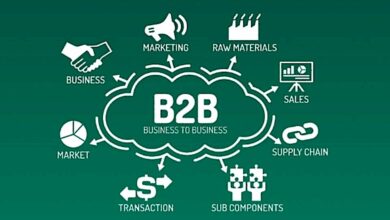
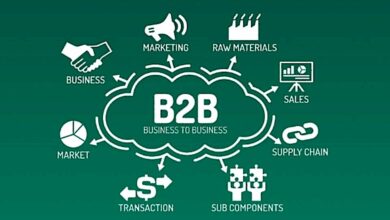
In today’s fast-evolving digital economy, a b2b marketplace isn’t just a trend—it’s a transformation. Companies are shifting from traditional procurement to dynamic online platforms that connect suppliers and buyers seamlessly. Discover how this shift is reshaping global trade.





What Is a B2B Marketplace and Why It Matters

A B2B marketplace, or business-to-business marketplace, is an online platform where companies buy and sell goods and services to each other. Unlike B2C (business-to-consumer) platforms, B2B marketplaces focus on bulk transactions, long-term contracts, and complex supply chains. These platforms are revolutionizing how businesses source materials, manage vendors, and scale operations.
Defining the B2B Marketplace Model
The core of a b2b marketplace lies in its ability to centralize transactions between businesses. Think of it as a digital wholesale hub—where manufacturers, distributors, and retailers interact efficiently. Platforms like Alibaba and Amazon Business exemplify this model by enabling global sourcing at scale.
- Transactions are typically high-volume and high-value.
- Relationships are long-term and contract-based.
- Decision-making involves multiple stakeholders.
How B2B Differs from B2C Marketplaces
While both models operate online, the dynamics differ significantly. B2C marketplaces like Amazon or eBay cater to individual consumers with instant purchases and emotional buying triggers. In contrast, a b2b marketplace emphasizes logic, ROI, and procurement efficiency.
- B2B sales cycles are longer and involve negotiations.
- Pricing is often customized based on volume and contract terms.
- Customer support is more consultative and technical.
“The average B2B buyer is 57% through the decision-making process before even engaging a sales rep.” — Forrester Research
Top 7 Benefits of Using a B2B Marketplace
Adopting a b2b marketplace offers transformative advantages for both buyers and sellers. From cost reduction to global reach, these platforms are redefining competitive advantage in the digital age.
1. Expanded Market Reach and Global Access
One of the most powerful benefits of a b2b marketplace is the ability to transcend geographical boundaries. A small manufacturer in Vietnam can now sell to a distributor in Germany without setting up a physical presence.
- Access to international buyers without export logistics overhead.
- Visibility to niche markets that were previously unreachable.
- Opportunities to participate in global supply chains.
Platforms like Global Sources specialize in connecting Asian suppliers with global buyers, proving that location is no longer a barrier to growth.
2. Reduced Operational Costs
Traditional B2B sales involve trade shows, sales teams, and printed catalogs—all costly and time-consuming. A b2b marketplace digitizes these processes, slashing overhead.
- No need for physical sales reps in every region.
- Automated quoting and invoicing reduce administrative load.
- Digital catalogs replace printed materials, saving time and money.
For example, a study by McKinsey found that companies using digital B2B platforms reduced their sales costs by up to 30%.
3. Faster Transaction Cycles
In a traditional procurement model, sourcing a supplier could take weeks. With a b2b marketplace, buyers can search, compare, and order within hours.
- Real-time inventory visibility accelerates decision-making.
- Integrated payment and logistics systems reduce delays.
- Automated RFQ (Request for Quotation) tools streamline negotiations.
This speed is critical in industries like manufacturing and healthcare, where downtime is expensive.
4. Enhanced Supplier Discovery and Comparison
Buyers no longer need to rely on word-of-mouth or outdated vendor lists. B2B marketplaces offer advanced search filters, ratings, and reviews—just like consumer platforms.
- Compare pricing, lead times, and certifications side-by-side.
- Access verified supplier profiles with transaction history.
- Use AI-powered recommendations to find ideal matches.
Platforms like Thomasnet allow industrial buyers to filter suppliers by ISO certification, production capacity, and geographic location.
5. Improved Price Transparency
One of the biggest pain points in traditional B2B is opaque pricing. A b2b marketplace introduces transparency by displaying real-time quotes and bulk discounts.
- Eliminates guesswork in negotiations.
- Encourages competitive pricing among suppliers.
- Enables data-driven procurement decisions.
This transparency builds trust and reduces the risk of overpaying for goods.
6. Scalability for Growing Businesses
Whether you’re a startup or an enterprise, a b2b marketplace scales with your needs. Sellers can list new products instantly, while buyers can onboard new suppliers with minimal friction.
- No need to build a custom e-commerce site from scratch.
- Marketplace infrastructure handles traffic spikes during peak seasons.
- Easy integration with ERP and inventory systems.
This scalability is especially valuable for SMEs looking to grow without heavy IT investment.
7. Data-Driven Insights and Analytics
Modern b2b marketplaces come equipped with analytics dashboards that track sales trends, customer behavior, and inventory turnover.
- Identify best-selling products and underperforming SKUs.
- Forecast demand based on historical data.
- Optimize pricing strategies using competitor benchmarking.
These insights empower businesses to make smarter, faster decisions.
How B2B Marketplaces Are Evolving in 2024
The b2b marketplace landscape is not static. In 2024, we’re seeing a wave of innovation driven by AI, blockchain, and hyper-personalization. Understanding these trends is key to staying competitive.
AI-Powered Procurement and Personalization
Artificial intelligence is transforming how buyers find and purchase products. AI algorithms analyze past behavior to recommend relevant suppliers and predict future needs.
- Chatbots handle routine inquiries 24/7.
- Predictive analytics suggest reorder points.
- Dynamic pricing adjusts based on demand and inventory levels.
For instance, SAP Ariba uses AI to match buyers with suppliers based on compliance, risk, and performance metrics.
Blockchain for Trust and Transparency
One of the biggest challenges in B2B is trust—especially in cross-border transactions. Blockchain technology is addressing this by creating immutable records of every transaction.
- Verify product authenticity and origin.
- Track shipments in real-time with smart contracts.
- Reduce fraud and payment disputes.
Companies like IBM and Maersk have already implemented blockchain in their supply chains through the TradeLens platform.
Integration with ERP and Supply Chain Systems
The future of b2b marketplace success lies in seamless integration. Platforms are now connecting directly with ERP systems like Oracle, SAP, and NetSuite.
- Automate purchase orders and invoice reconciliation.
- Synchronize inventory levels across channels.
- Reduce manual data entry and errors.
This integration creates a frictionless flow from order to delivery, improving efficiency across the board.
Leading B2B Marketplaces You Should Know
Not all b2b marketplaces are created equal. Some specialize in industrial goods, while others focus on digital services. Here are the top platforms shaping the industry.
Alibaba: The Global Giant
No discussion of b2b marketplace platforms is complete without mentioning Alibaba. As the world’s largest wholesale marketplace, it connects millions of suppliers in China with buyers worldwide.
- Over 200 million product listings.
- Trade Assurance program protects buyers.
- Supports MOQs (Minimum Order Quantities) as low as 1 unit in some cases.
Visit Alibaba.com to explore its vast network of verified suppliers.
Amazon Business: The Corporate Retailer
Leveraging its B2C dominance, Amazon launched Amazon Business to serve enterprises. It’s ideal for companies buying office supplies, MRO (Maintenance, Repair, Operations) items, and tech equipment.
- Tax-exempt purchasing for registered businesses.
- Business-only pricing and volume discounts.
- Integration with procurement systems for easy approval workflows.
Over 5 million businesses use Amazon Business, including Fortune 500 companies.
Thomasnet: The Industrial Specialist
Focused on North American manufacturing, Thomasnet is a go-to platform for engineers and procurement managers sourcing industrial components.
- Database of over 500,000 industrial suppliers.
- Advanced filters for materials, processes, and certifications.
- Free RFQ submission to multiple suppliers.
It’s a powerful tool for finding niche manufacturers quickly.
Flexport: The Digital Freight Forwarder
While not a traditional product marketplace, Flexport acts as a b2b marketplace for logistics services. It connects shippers with carriers and provides end-to-end visibility.
- Real-time shipment tracking with AI-driven alerts.
- Customs clearance automation.
- Carbon emissions reporting for sustainability goals.
Flexport is redefining how businesses manage global freight.
Challenges and Risks in B2B Marketplaces
Despite their advantages, b2b marketplaces come with challenges. Understanding these risks is crucial for long-term success.
Supplier Verification and Quality Control
One of the biggest concerns is ensuring product quality. Unlike B2C, where returns are easy, B2B buyers often deal with large orders and tight production schedules.
- Counterfeit or substandard goods can disrupt operations.
- Buyers must verify supplier credentials and production capabilities.
- Platforms need robust vetting processes and third-party audits.
Alibaba’s Gold Supplier program and Thomasnet’s verified profiles are steps in the right direction, but due diligence remains essential.
Pricing Pressure and Margin Erosion
Increased competition on b2b marketplace platforms can lead to price wars. Sellers may feel pressured to lower margins to stay visible.
- Algorithm-driven rankings favor lower prices.
- Buyers can easily compare and switch suppliers.
- Branding becomes harder in a commoditized environment.
Sellers must differentiate through service, quality, and reliability—not just price.
Data Security and Compliance Risks
B2B transactions involve sensitive data—contracts, pricing, and intellectual property. A data breach can have severe consequences.
- Ensure the platform complies with GDPR, CCPA, and industry standards.
- Use encrypted communication and secure payment gateways.
- Limit data sharing to trusted partners only.
Always review the marketplace’s security policies before onboarding.
How to Choose the Right B2B Marketplace for Your Business
Selecting the right b2b marketplace depends on your industry, target market, and business goals. Here’s a step-by-step guide to help you decide.
Define Your Business Objectives
Are you looking to expand globally? Reduce procurement costs? Improve supplier diversity? Your goals will determine which platform fits best.
- Global sourcing? Consider Alibaba or Global Sources.
- Domestic industrial parts? Thomasnet is ideal.
- Everyday business supplies? Amazon Business offers convenience.
Evaluate Platform Features and Integration
Not all marketplaces offer the same tools. Look for features that align with your operations.
- Does it integrate with your ERP or accounting software?
- Can you automate purchase orders and invoicing?
- Is there a mobile app for on-the-go access?
Platforms like SAP Ariba and Coupa offer deep enterprise integration.
Assess Fees and Revenue Models
B2B marketplaces use various monetization models—listing fees, transaction fees, subscription plans, or a combination.
- Amazon Business charges sellers a referral fee (8–15%).
- Alibaba offers free listings but charges for premium features.
- Some niche platforms charge monthly subscriptions.
Calculate the total cost of ownership before committing.
Future Trends Shaping the B2B Marketplace Landscape
The b2b marketplace of tomorrow will be smarter, faster, and more connected. Here are the trends to watch.
Rise of Vertical-Specific Marketplaces
Generalist platforms are giving way to specialized ones. Niche marketplaces for healthcare, construction, or foodservice offer deeper expertise and better matchmaking.
- MedWOW for medical equipment.
- BuildZoom for construction contractors.
- Foodbuy for restaurant supplies.
These platforms understand industry-specific needs, from compliance to delivery timelines.
AI-Driven Procurement Assistants
In the near future, AI will act as a virtual procurement officer—automating sourcing, negotiation, and contract management.
- Natural language processing to interpret RFQs.
- AI negotiators that secure better terms.
- Autonomous reordering based on consumption patterns.
Companies like Scoutbee are already pioneering this space.
Sustainability and Ethical Sourcing
Buyers are increasingly demanding transparency in sourcing. B2B marketplaces will need to provide data on carbon footprint, labor practices, and supply chain ethics.
- Blockchain for traceability.
- Supplier sustainability scores.
- Integration with ESG reporting tools.
This shift aligns with corporate responsibility goals and regulatory requirements.
What is a B2B marketplace?
A B2B marketplace is an online platform where businesses buy and sell products or services to each other. It streamlines procurement, enhances supplier discovery, and reduces transaction costs through digital automation.
How does a B2B marketplace differ from B2C?
B2B marketplaces involve longer sales cycles, bulk transactions, and multiple decision-makers, while B2C focuses on individual consumers with instant purchases and emotional appeals.
What are the top B2B marketplace platforms?
Leading platforms include Alibaba, Amazon Business, Thomasnet, SAP Ariba, and Flexport—each catering to different industries and business needs.
Are B2B marketplaces safe for transactions?
Most reputable b2b marketplaces offer secure payment systems, supplier verification, and buyer protection programs. However, due diligence is still essential to avoid fraud or quality issues.
How do I choose the right B2B marketplace?
Consider your industry, target market, integration needs, and fee structure. Evaluate platforms based on features, security, and customer support before onboarding.
The rise of the b2b marketplace is more than a digital shift—it’s a strategic evolution in how businesses operate. From global access to AI-driven insights, these platforms offer unprecedented opportunities for growth, efficiency, and innovation. While challenges like quality control and data security remain, the benefits far outweigh the risks for companies willing to adapt. As we move into 2024 and beyond, the businesses that thrive will be those leveraging b2b marketplaces not just as sales channels, but as core components of their digital transformation strategy. Whether you’re a buyer seeking better suppliers or a seller aiming to scale, the future of B2B commerce is online, connected, and intelligent.
Further Reading: