Ever wonder why some companies close massive deals while others struggle to get past the first call? The secret lies in mastering b2b sales with precision, strategy, and deep customer insight. Let’s dive into what really works.
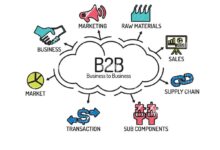
Understanding the Fundamentals of B2B Sales

B2B sales—short for business-to-business sales—refers to transactions where one company sells products or services to another. Unlike B2C (business-to-consumer), these sales involve longer decision-making cycles, multiple stakeholders, and higher transaction values. This complexity demands a structured, consultative approach.
What Sets B2B Sales Apart from B2C?
The core difference lies in the buyer’s mindset. In B2C, emotions often drive purchases. In b2b sales, logic, ROI, and long-term value dominate. A single B2B deal can be worth thousands—or even millions—of dollars, making the stakes significantly higher.
- B2B buyers are professionals seeking solutions, not impulse purchases.
- Purchase decisions often require approval from multiple departments (finance, legal, operations).
- Relationships are long-term; trust is non-negotiable.
The B2B Sales Cycle: A Step-by-Step Breakdown
A typical b2b sales cycle consists of several stages: prospecting, qualification, presentation, negotiation, closing, and post-sale follow-up. Each phase requires specific tools and strategies.
- Prospecting: Identifying potential clients through market research, LinkedIn outreach, or referrals.
- Qualification: Assessing whether the prospect has budget, authority, need, and timeline (BANT framework).
- Presentation: Delivering tailored demos or proposals that address specific pain points.
“In b2b sales, you’re not just selling a product—you’re selling a transformation.” — Jill Konrath, Author of Selling to Big Companies
Key Strategies to Master B2B Sales in 2024
The landscape of b2b sales has evolved dramatically. With digital transformation and remote selling becoming the norm, outdated tactics no longer cut it. Today’s top performers blend technology, data, and human insight to win deals.
1. Leverage Account-Based Selling (ABS)
Account-based selling flips the traditional sales model. Instead of casting a wide net, you focus on high-value accounts and personalize every interaction. This strategy aligns sales and marketing teams to target specific companies with hyper-relevant messaging.
- Identify target accounts based on firmographics (industry, revenue, size).
- Create personalized outreach sequences using email, social media, and direct calls.
- Use tools like SalesLoft or Outreach to automate and track engagement.
2. Build Trust Through Consultative Selling
Modern buyers don’t want pushy salespeople—they want advisors. Consultative selling focuses on asking insightful questions, diagnosing problems, and offering tailored solutions.
- Use discovery calls to uncover pain points and business goals.
- Avoid pitching too early; instead, position yourself as a problem-solver.
- Reference case studies or benchmarks to build credibility.
3. Utilize Data-Driven Decision Making
Top-performing sales teams use data to guide every move. From lead scoring to forecasting, analytics help prioritize efforts and reduce guesswork.
- Track KPIs like conversion rates, average deal size, and sales cycle length.
- Use CRM platforms like Salesforce or HubSpot to centralize customer data.
- Implement predictive analytics to identify which leads are most likely to convert.
The Role of Technology in Modern B2B Sales
Technology isn’t just a tool—it’s a game-changer in b2b sales. From AI-powered insights to virtual demos, digital tools empower sales teams to scale efficiently and deliver personalized experiences at scale.
CRM Systems: The Backbone of B2B Sales
A Customer Relationship Management (CRM) system is essential for managing interactions, tracking progress, and ensuring follow-ups. Without a CRM, even the best sales reps risk losing deals due to poor organization.
- Centralizes contact information, communication history, and deal stages.
- Enables automation of repetitive tasks like email follow-ups and task reminders.
- Integrates with marketing tools for seamless lead handoff.
Sales Enablement Tools That Drive Results
Sales enablement platforms equip reps with the content, training, and insights they need to sell more effectively. These tools bridge the gap between marketing and sales.
- Seismic and Showpad provide on-demand access to sales collateral.
- Gong records and analyzes sales calls to uncover coaching opportunities.
- Chorus.ai offers real-time conversation intelligence during calls.
AI and Automation in B2B Sales
Artificial Intelligence is transforming how sales teams operate. From lead scoring to chatbots, AI reduces manual work and increases accuracy.
- AI-powered chatbots qualify leads 24/7 on websites.
- Tools like Exceed.ai automate initial outreach and scheduling.
- Predictive analytics forecast which deals are at risk of stalling.
Building High-Performing B2B Sales Teams
No amount of technology can replace a skilled, motivated sales team. Building a culture of excellence requires intentional hiring, training, and performance management.
Hiring the Right Sales Talent
Not all salespeople thrive in B2B environments. Look for candidates with strong communication skills, resilience, and a consultative mindset.
- Assess problem-solving ability through role-play exercises.
- Prioritize emotional intelligence over pure charisma.
- Check for experience in complex, multi-stakeholder sales cycles.
Training and Onboarding for Success
A structured onboarding program can shorten ramp time and boost early productivity. New hires should understand the product, market, and sales process within weeks—not months.
- Pair new reps with mentors for shadowing and feedback.
- Provide access to recorded sales calls and objection-handling scripts.
- Use gamification to make learning engaging and measurable.
Performance Metrics That Matter
Measuring the right KPIs keeps teams focused and accountable. While revenue is important, leading indicators help predict future success.
- Activity Metrics: Calls made, emails sent, meetings booked.
- Conversion Rates: Lead-to-opportunity, opportunity-to-close.
- Average Sales Cycle Length: Shorter cycles indicate efficiency.
Overcoming Common B2B Sales Challenges
Even the best teams face obstacles. Understanding common pitfalls—and how to overcome them—is crucial for sustained success in b2b sales.
Challenge 1: Long Decision-Making Cycles
B2B purchases often involve multiple stakeholders, each with their own priorities. Delays are common, especially in regulated industries.
- Map out the decision-making unit (DMU) early in the process.
- Engage champions within the organization who can advocate for your solution.
- Provide regular value updates to keep momentum.
Challenge 2: Handling Objections Effectively
Objections are inevitable. The key is to anticipate them and respond with empathy and evidence.
- Common objections include budget constraints, timing, and existing contracts.
- Use the LAER model: Listen, Acknowledge, Explore, Respond.
- Arm reps with ROI calculators and case studies to counter price concerns.
Challenge 3: Staying Competitive in a Crowded Market
With so many vendors offering similar solutions, differentiation is critical. Price alone is rarely enough.
- Highlight unique features, superior customer support, or faster implementation.
- Focus on outcomes, not just features (e.g., “reduce operational costs by 30%”)
- Build thought leadership through webinars, whitepapers, and speaking engagements.
The Future of B2B Sales: Trends to Watch
The world of b2b sales is evolving fast. Staying ahead means embracing innovation and anticipating shifts in buyer behavior.
Trend 1: Remote Selling Is Here to Stay
Post-pandemic, virtual meetings have become the norm. Buyers expect seamless digital experiences—from initial outreach to contract signing.
- Invest in high-quality video conferencing tools.
- Use screen-sharing and interactive demos to engage prospects.
- Ensure contracts can be e-signed and delivered instantly.
Trend 2: Buyer Enablement Over Sales Enablement
Forward-thinking companies are shifting focus from enabling sellers to empowering buyers. This means providing self-serve resources like pricing calculators, demo videos, and comparison guides.
- Reduce friction by allowing prospects to explore solutions independently.
- Use interactive content to guide buyers through their journey.
- Align content with each stage of the buyer’s journey.
Trend 3: Increased Use of AI and Predictive Analytics
AI will continue to play a larger role in forecasting, personalization, and automation. Expect smarter lead scoring, real-time coaching, and dynamic pricing models.
- Adopt AI tools that integrate with existing CRMs.
- Train teams to interpret AI-generated insights.
- Maintain ethical standards in data usage and personalization.
Measuring Success in B2B Sales
What gets measured gets managed. To truly excel in b2b sales, you need a clear framework for tracking performance and driving improvement.
Key Performance Indicators (KPIs) for B2B Sales
KPIs provide visibility into what’s working and what’s not. They should be aligned with overall business goals.
- Monthly Recurring Revenue (MRR): Especially important for SaaS companies.
- Customer Acquisition Cost (CAC): Total sales and marketing spend divided by new customers acquired.
- Customer Lifetime Value (CLTV): Predicted net profit attributed to the entire relationship with a customer.
- Win Rate: Percentage of opportunities that result in closed deals.
Using Dashboards for Real-Time Insights
Modern sales teams rely on dashboards to monitor performance in real time. Tools like Tableau, Power BI, or native CRM dashboards provide visual representations of key metrics.
- Customize dashboards for different roles (reps, managers, executives).
- Set up alerts for stalled deals or missed follow-ups.
- Use historical data to identify trends and adjust strategies.
Continuous Improvement Through Feedback Loops
Top teams don’t just track data—they act on it. Regular reviews, win/loss analyses, and customer feedback fuel continuous improvement.
- Conduct quarterly business reviews (QBRs) with clients.
- Analyze lost deals to identify patterns (e.g., pricing, competition).
- Encourage peer feedback and coaching sessions.
Scaling B2B Sales Operations for Growth
As your business grows, so must your sales operations. Scaling requires more than just hiring more reps—it demands process optimization, technology integration, and strategic planning.
Process Standardization Across Teams
Consistency is key when scaling. Documented sales processes ensure every rep follows the same proven path to success.
- Create a sales playbook outlining stages, scripts, and tools.
- Define clear handoff points between marketing, sales development, and account executives.
- Regularly update the playbook based on performance data.
Expanding into New Markets
Entering new geographic or vertical markets requires research, localization, and tailored messaging.
- Conduct market analysis to assess demand and competition.
- Adapt messaging to reflect regional pain points and regulations.
- Leverage local partners or distributors if direct entry is too costly.
Globalization and Cross-Cultural Selling
Selling internationally adds complexity. Cultural nuances, time zones, and legal requirements must be respected.
- Train teams on cultural intelligence and communication styles.
- Use translation tools and localized content.
- Establish regional sales hubs for better support.
What is the average length of a B2B sales cycle?
The average B2B sales cycle ranges from 1 to 6 months, depending on the industry, product complexity, and deal size. For enterprise-level SaaS solutions, it can extend to 12 months or more due to extensive evaluation and approval processes.
How can I improve my B2B sales conversion rate?
Focus on better lead qualification, personalized outreach, and consultative selling. Use CRM data to identify high-intent leads, tailor your messaging, and build trust by addressing specific pain points early in the conversation.
What role does content play in B2B sales?
Content is a critical enabler in b2b sales. Case studies, whitepapers, and ROI calculators help educate prospects and reduce perceived risk. Sales teams should have easy access to relevant content to share at each stage of the buyer’s journey.
Is cold calling still effective in B2B sales?
When done strategically, yes. Personalized cold calls based on research and triggered by buyer intent signals (e.g., job changes, funding rounds) can be highly effective. However, they should be part of a broader outreach strategy that includes email, social selling, and referrals.
How important is social selling in B2B?
Extremely. LinkedIn is the top platform for B2B prospecting. Sales professionals who engage with prospects through meaningful content, comments, and direct messages build credibility and increase response rates. According to LinkedIn, salespeople who use social selling close 78% more deals than those who don’t.
Mastering b2b sales isn’t about luck—it’s about strategy, execution, and continuous improvement. From understanding the buyer’s journey to leveraging cutting-edge technology, every element plays a role in driving success. The most effective sales organizations combine human insight with data-driven tools to build trust, deliver value, and close high-impact deals. Whether you’re building a new team or scaling an existing one, the principles outlined here provide a roadmap for sustainable growth. The future of b2b sales belongs to those who adapt, innovate, and put the customer at the center of everything they do.
Further Reading:
