Welcome to the ultimate guide on b2b marketing—where strategy meets results. Whether you’re building pipelines or boosting brand authority, this deep dive reveals the tactics that top-performing companies use to dominate their markets.
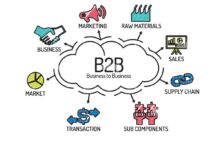
Understanding the Core of B2B Marketing

B2B marketing, or business-to-business marketing, is fundamentally different from its B2C counterpart. It’s not about flashy ads or emotional appeals; it’s about building trust, demonstrating value, and guiding complex decision-making processes across multiple stakeholders.
What Exactly Is B2B Marketing?
At its core, b2b marketing involves promoting products or services from one business to another. Unlike B2C, where purchases are often impulsive or emotionally driven, B2B decisions are rational, data-backed, and involve longer sales cycles. Think of a software company selling CRM tools to enterprises or a logistics firm offering supply chain solutions to manufacturers.
- Transactions are typically high-value and long-term.
- Buyers are professionals seeking efficiency, ROI, and scalability.
- Marketing must address pain points with precision and credibility.
Key Differences Between B2B and B2C Marketing
While both aim to drive sales, the strategies diverge significantly. B2C focuses on mass appeal and instant gratification, whereas b2b marketing emphasizes relationship-building and educational content.
- Audience: B2B targets specific roles (e.g., CTOs, procurement managers), while B2C speaks to broad consumer segments.
- Decision-Making: B2B purchases often require approval from multiple departments—legal, finance, operations—making the funnel more complex.
- Content Style: B2B relies on whitepapers, case studies, and webinars; B2C leans on social media, influencers, and emotional storytelling.
“In b2b marketing, you’re not just selling a product—you’re selling confidence in a business outcome.” — HubSpot Research, 2023
The Evolution of B2B Marketing Over the Decades
B2B marketing has undergone a radical transformation. From print catalogs and trade shows to AI-driven personalization and account-based strategies, the landscape has shifted dramatically due to technological advancements and changing buyer expectations.
From Traditional to Digital: A Historical Shift
In the 1980s and 1990s, b2b marketing was largely offline. Companies relied on direct mail, industry magazines, and face-to-face meetings at trade expos. The internet changed everything. By the early 2000s, websites became digital storefronts, and email campaigns replaced cold calls.
- Print ads gave way to SEO-optimized blog content.
- Fax machines were replaced by CRM systems like Salesforce.
- Brochures evolved into downloadable datasheets and interactive demos.
Today, digital channels dominate. According to Forrester, over 70% of B2B buyers prefer to research online before engaging with a sales rep. This shift has made content marketing and digital visibility non-negotiable.
The Rise of Data-Driven Decision Making
Modern b2b marketing thrives on analytics. Marketers now track everything from click-through rates to account engagement scores. Tools like Google Analytics, HubSpot, and LinkedIn Insights allow teams to measure performance in real time and optimize campaigns accordingly.
- Lead scoring models help prioritize high-intent prospects.
- Marketing automation platforms nurture leads with personalized workflows.
- ABM (Account-Based Marketing) uses firmographic and behavioral data to target key accounts.
Data isn’t just a tool—it’s the foundation of strategic planning. A study by McKinsey found that data-driven organizations are 23 times more likely to acquire customers and six times more likely to retain them.
7 Proven B2B Marketing Strategies That Deliver Results
Success in b2b marketing doesn’t come from random tactics—it comes from a cohesive, multi-channel strategy built on proven frameworks. Below are seven powerful approaches used by leading B2B brands to generate leads, build authority, and accelerate growth.
1. Content Marketing: Educate to Dominate
Content is the backbone of b2b marketing. High-quality, educational content positions your brand as a thought leader and helps buyers at every stage of the funnel.
- Top-of-funnel: Blog posts, infographics, and social media content attract awareness.
- Middle-of-funnel: E-books, webinars, and comparison guides nurture interest.
- Bottom-of-funnel: Case studies, ROI calculators, and product demos drive conversion.
For example, SEMrush dominates SEO and digital marketing niches by offering free tools, templates, and in-depth guides that solve real problems. Their content doesn’t just inform—it converts.
2. Account-Based Marketing (ABM): Precision Over Volume
ABM flips traditional marketing on its head. Instead of casting a wide net, you focus on a select group of high-value accounts and tailor your messaging to their specific needs.
- Identify target accounts based on revenue potential, industry, and tech stack.
- Create personalized campaigns using direct mail, LinkedIn ads, and custom landing pages.
- Align sales and marketing teams to engage decision-makers with relevant insights.
According to ABM Leadership Board, companies using ABM report 200% higher sales win rates and 30% faster deal velocity. It’s not just effective—it’s efficient.
3. LinkedIn Marketing: The B2B Powerhouse
No b2b marketing strategy is complete without LinkedIn. With over 900 million users, including 63 million decision-makers, it’s the world’s largest professional network—and the most effective platform for B2B outreach.
- Use LinkedIn Ads to target by job title, company size, and industry.
- Leverage Sponsored Content and InMail for high-impact messaging.
- Encourage executives to build personal brands through organic posting.
Companies like Adobe use LinkedIn to share customer success stories, host live events, and promote gated content. Their approach blends brand storytelling with lead generation—proving that professional doesn’t have to mean boring.
4. Email Marketing: Still the ROI King
Despite predictions of its demise, email remains the highest-ROI channel in b2b marketing. When done right, it delivers personalized, timely messages that move prospects down the funnel.
- Segment your list by behavior, industry, or stage in the buyer’s journey.
- Use automation to send drip campaigns, onboarding sequences, and re-engagement emails.
- Optimize subject lines, CTAs, and mobile responsiveness for maximum impact.
Mailchimp reports that the average ROI for email marketing is $42 for every $1 spent. For b2b marketing teams, this makes it one of the most cost-effective tools available.
5. SEO for B2B: Visibility That Converts
Search engine optimization is critical for b2b marketing success. Most buyers start their journey with a Google search—whether it’s “best CRM for mid-sized businesses” or “cloud security solutions.” If you’re not ranking, you’re invisible.
- Conduct keyword research focused on buyer intent (e.g., “how to reduce SaaS churn”).
- Optimize technical SEO: site speed, mobile experience, schema markup.
- Create pillar pages and topic clusters to establish topical authority.
Backlinko’s analysis shows that the top three Google results get 54.4% of all clicks. That’s why companies like Cloudflare invest heavily in technical SEO and content depth—they know visibility equals opportunity.
6. Webinars and Virtual Events: Engagement at Scale
Webinars are a cornerstone of b2b marketing because they combine education, engagement, and lead capture. They allow you to showcase expertise while collecting valuable contact information.
- Host live Q&A sessions with industry experts.
- Offer certifications or CEUs to increase attendance.
- Repurpose recordings into YouTube videos, blog summaries, or sales enablement tools.
GoToWebinar found that 73% of B2B marketers and sales leaders say webinars are the best way to generate high-quality leads. When combined with follow-up emails, they can significantly shorten sales cycles.
7. Customer Advocacy and Referral Programs
Happy customers are your best marketers. In b2b marketing, trust is everything—and nothing builds trust faster than peer validation.
- Encourage satisfied clients to leave reviews on G2, Capterra, or Trustpilot.
- Create case studies featuring measurable results (e.g., “Increased efficiency by 40%”).
- Launch formal referral programs with incentives for existing customers.
A study by Nielsen reveals that 92% of consumers trust recommendations from people they know. In B2B, this translates to higher conversion rates and shorter negotiation periods.
The Role of Technology in Modern B2B Marketing
Technology has become the engine of b2b marketing. From AI-powered chatbots to predictive analytics, the tools available today allow marketers to scale personalization, improve targeting, and measure impact like never before.
Marketing Automation Platforms
Tools like HubSpot, Marketo, and Pardot enable b2b marketing teams to automate repetitive tasks, nurture leads, and track campaign performance across channels.
- Automated email sequences reduce manual follow-ups.
- Lead scoring identifies prospects most likely to convert.
- CRM integration ensures seamless handoff between marketing and sales.
These platforms don’t just save time—they increase consistency and improve conversion rates by delivering the right message at the right time.
AI and Predictive Analytics
Artificial intelligence is transforming b2b marketing by enabling hyper-personalization and predictive insights. AI can analyze vast datasets to forecast buyer behavior, recommend content, and even draft copy.
- Chatbots provide instant responses to common queries on websites.
- Predictive lead scoring identifies which accounts are warming up.
- Natural language generation (NLG) tools help scale content production.
According to Gartner, by 2025, 80% of B2B marketing interactions will be managed by AI. Early adopters are already seeing improvements in engagement and efficiency.
Measuring Success: Key B2B Marketing Metrics
You can’t improve what you don’t measure. In b2b marketing, tracking the right KPIs is essential for optimizing campaigns and proving ROI to stakeholders.
Lead Generation and Conversion Rates
The number of qualified leads generated is a primary indicator of marketing effectiveness. However, it’s equally important to track how many of those leads convert into opportunities and customers.
- Calculate lead-to-customer conversion rate: (Customers / Total Leads) x 100.
- Monitor cost per lead (CPL) to assess campaign efficiency.
- Use UTM parameters to attribute leads to specific channels.
A high volume of leads means nothing if they’re not sales-ready. Quality trumps quantity in b2b marketing.
Customer Acquisition Cost (CAC) and Lifetime Value (LTV)
CAC tells you how much it costs to acquire a new customer, while LTV estimates how much revenue that customer will generate over time.
- Formula: CAC = Total Marketing & Sales Spend / Number of New Customers.
- Healthy LTV:CAC ratio is 3:1 or higher.
- Lower CAC through better targeting and higher conversion rates.
These metrics help determine marketing budget allocation and long-term sustainability.
Marketing Qualified Leads (MQLs) vs. Sales Qualified Leads (SQLs)
Not all leads are created equal. MQLs are prospects who’ve shown interest but may not be ready to buy. SQLs have been vetted and are sales-ready.
- Define clear criteria for MQL and SQL handoff (e.g., downloaded pricing guide + attended demo).
- Align marketing and sales teams on definitions to reduce friction.
- Track MQL-to-SQL conversion rate to assess lead quality.
Clear definitions prevent wasted effort and ensure smoother collaboration between departments.
Building a High-Performance B2B Marketing Team
Even the best strategies fail without the right people. A successful b2b marketing team combines diverse skills—from content creation to data analysis—to execute integrated campaigns.
Essential Roles in a B2B Marketing Department
Depending on company size, roles may vary, but core positions include:
- Content Strategist: Develops messaging frameworks and editorial calendars.
- Digital Marketing Manager: Oversees SEO, paid ads, and email campaigns.
- Marketing Operations Specialist: Manages tech stack, automation, and analytics.
- ABM Specialist: Focuses on targeting and engaging key accounts.
- Graphic Designer & Video Producer: Creates visual assets for campaigns.
Smaller teams often combine roles, but clarity in responsibilities is crucial for accountability.
Aligning Marketing and Sales: The Revenue Team Mindset
One of the biggest challenges in b2b marketing is siloed departments. Marketing generates leads; sales closes deals. But when misaligned, opportunities fall through the cracks.
- Hold regular sync meetings between marketing and sales leaders.
- Use shared KPIs like pipeline growth and win rate.
- Implement SLAs (Service Level Agreements) for lead handoff and follow-up.
Companies that align marketing and sales see 36% higher customer retention and 38% higher sales win rates (Source: HubSpot).
Future Trends Shaping B2B Marketing
The b2b marketing landscape is evolving rapidly. Staying ahead requires anticipating trends and adapting quickly. Here are the key forces shaping the future of B2B marketing.
Hyper-Personalization at Scale
Buyers expect experiences tailored to their needs. Generic messaging no longer works. With AI and data segmentation, b2b marketing can now deliver personalized content, offers, and journeys to thousands of accounts simultaneously.
- Dynamic website content that changes based on visitor profile.
- Personalized video messages for key prospects.
- Customized email sequences using behavioral triggers.
Personalization isn’t just a nice-to-have—it’s expected. A Salesforce report found that 66% of B2B buyers expect companies to understand their unique needs.
The Growth of Video and Interactive Content
Video is no longer optional. From explainer videos to live demos, it’s one of the most engaging formats in b2b marketing.
- Short-form videos on LinkedIn and YouTube explain complex solutions.
- Interactive product tours increase engagement and time on site.
- Behind-the-scenes content humanizes your brand.
Wyzowl reports that 91% of businesses use video as a marketing tool, and 96% say it helps with lead generation.
Sustainability and Ethical Branding
B2B buyers increasingly care about a company’s values. Sustainability, diversity, and ethical practices influence purchasing decisions.
- Highlight eco-friendly operations in your messaging.
- Showcase DEI initiatives in corporate communications.
- Partner with socially responsible organizations.
A IBM study found that 77% of B2B buyers consider a vendor’s environmental impact when making decisions.
What is b2b marketing?
B2B marketing refers to the strategies and tactics used by businesses to sell products or services to other businesses. It focuses on logical decision-making, long sales cycles, and value-driven communication, often involving multiple stakeholders.
How is b2b marketing different from b2c marketing?
B2B marketing targets professionals making rational, ROI-focused decisions, while B2C appeals to individual consumers driven by emotion and convenience. B2B involves longer sales cycles, higher transaction values, and more complex buyer journeys.
What are the most effective b2b marketing channels?
The most effective channels include LinkedIn marketing, email campaigns, SEO, content marketing, webinars, and account-based marketing. The best strategy often combines multiple channels for maximum reach and impact.
How do you measure the success of a b2b marketing campaign?
Key metrics include lead generation, conversion rates, customer acquisition cost (CAC), lifetime value (LTV), marketing qualified leads (MQLs), and sales qualified leads (SQLs). Tracking these KPIs helps optimize performance and prove ROI.
What role does content play in b2b marketing?
Content is central to b2b marketing. It educates buyers, builds trust, and supports decision-making throughout the funnel. High-value content like case studies, whitepapers, and webinars drives engagement and conversions.
Mastering b2b marketing requires a blend of strategy, technology, and human insight. From understanding buyer psychology to leveraging cutting-edge tools, the most successful campaigns are those that prioritize value, relevance, and alignment. By embracing proven strategies like content marketing, ABM, and LinkedIn outreach—and staying ahead of trends like AI and personalization—your business can build a sustainable competitive edge. The future of b2b marketing isn’t just about selling; it’s about solving problems and building lasting partnerships.
Further Reading:
