Ever wondered how a global giant like Adidas powers its wholesale engine? Dive into the dynamic world of B2B Adidas and uncover the strategies shaping the future of sportswear distribution.

B2B Adidas: The Backbone of Global Sportswear Distribution

At the heart of Adidas’s global dominance lies its robust B2B (business-to-business) model, which fuels partnerships with retailers, distributors, and institutional clients. Unlike direct-to-consumer (DTC) channels, B2B Adidas focuses on empowering other businesses to deliver its iconic products to end users. This model has been instrumental in scaling Adidas’s reach across continents, from flagship department stores to regional sports chains.
The B2B arm of Adidas doesn’t just move products—it drives brand consistency, supply chain efficiency, and market penetration. By partnering with trusted wholesale clients, Adidas ensures its footwear, apparel, and accessories are available where athletes and casual wearers alike expect them: on shelves, online, and in stadiums.
What Is B2B in the Context of Adidas?
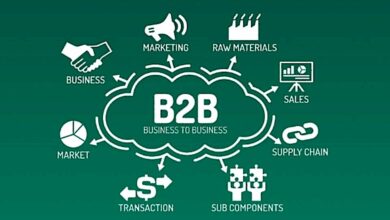
B2B, or business-to-business, refers to commercial transactions between companies rather than between a company and individual consumers. In Adidas’s case, this means selling large volumes of products to retailers, sports teams, schools, and corporate clients who then resell or distribute them.
This model allows Adidas to maintain control over brand positioning while leveraging the local market expertise of its partners. For example, a regional sports retailer in Southeast Asia might use its B2B relationship with Adidas to stock the latest Predator football boots ahead of a major tournament, ensuring availability and visibility.
How B2B Differs from DTC at Adidas
While Adidas has invested heavily in its DTC strategy—through its own stores and e-commerce platforms—B2B remains a critical revenue stream. According to Adidas Group’s 2023 Annual Report, wholesale (B2B) still accounted for over 50% of total revenue, despite the brand’s push toward direct engagement.
The key difference lies in control and customer relationship. In DTC, Adidas owns the entire customer journey—from marketing to post-purchase service. In B2B, the partner retailer owns that relationship, but Adidas supports it with marketing materials, training, and co-branded campaigns.
“Our wholesale partners are an essential part of our ecosystem. They help us reach customers we couldn’t access alone.” — Katrien Meire, Chief Commercial Officer, Adidas
Key B2B Adidas Partnerships and Distribution Channels
Adidas’s B2B success is built on a diverse network of strategic partnerships. These range from global retail giants to niche specialty stores, each playing a unique role in expanding the brand’s footprint.
The company’s distribution strategy is designed for maximum market coverage without sacrificing brand integrity. Whether it’s a high-end fashion collaboration or a bulk order for a school sports program, Adidas tailors its B2B offerings to meet varied client needs.
Major Retailers and Department Stores
Adidas maintains strong B2B relationships with some of the world’s largest retailers, including:
- Foot Locker: A key partner in North America and Europe, offering exclusive B2B product drops and co-branded marketing campaigns.
- Decathlon: In emerging markets, Decathlon acts as a mass-market distributor of Adidas performance gear.
- Selfridges and Nordstrom: These premium department stores carry Adidas Originals and collaborative lines, enhancing the brand’s fashion credibility.
These partnerships are governed by strict brand guidelines to ensure consistent presentation, pricing, and customer experience across regions.
Sports Teams and Institutional Clients
Adidas’s B2B model extends beyond retail into institutional sales. The brand supplies official kits and training gear to numerous professional and amateur sports organizations worldwide.
For example, Adidas has long-term B2B contracts with:
- National football associations (e.g., Germany, Spain, Argentina)
- Major league teams (e.g., Real Madrid, Bayern Munich)
- University athletic programs in the U.S. and Europe
These deals often include not just apparel but also footwear, accessories, and even digital integration (e.g., smart jerseys with performance tracking).
How B2B Adidas Drives Brand Expansion
One of the most powerful advantages of the B2B model is its ability to accelerate brand expansion into new markets. Instead of building infrastructure from scratch, Adidas leverages existing retail networks to gain instant market access.
b2b adidas – B2b adidas menjadi aspek penting yang dibahas di sini.
This strategy has been particularly effective in regions like Africa, Southeast Asia, and Latin America, where local partners understand consumer behavior, logistics, and regulatory environments better than a foreign brand could.
Market Penetration Through Local Distributors
In countries like Nigeria or Indonesia, Adidas partners with local distributors who manage warehousing, delivery, and retailer relationships. These distributors act as regional hubs, ensuring timely product availability and responsive customer service.
For instance, in India, Adidas works with Trent Limited, part of the Tata Group, to distribute its products across Westside and other retail chains. This B2B alliance allows Adidas to scale rapidly without the overhead of direct operations.
Co-Branded Marketing and Joint Promotions
B2B Adidas doesn’t stop at logistics—it actively collaborates with partners on marketing initiatives. Co-branded campaigns, exclusive product launches, and in-store experiences are common tools to drive foot traffic and brand loyalty.
A notable example is the annual “Adidas x Foot Locker” Back-to-School campaign, which features limited-edition sneakers and athlete appearances. These events not only boost sales but also strengthen the emotional connection between consumers and the Adidas brand.
“Retailers aren’t just sales channels—they’re brand ambassadors. We invest in them as much as we do in our own stores.” — Roland Auschitz, Head of Global Wholesale, Adidas
Technology and Digital Platforms in B2B Adidas
In the digital age, B2B relationships are no longer built on phone calls and paper catalogs. Adidas has embraced technology to streamline its wholesale operations, enhance partner engagement, and improve supply chain transparency.
From AI-driven demand forecasting to cloud-based ordering systems, the brand is redefining what B2B means in the sportswear industry.
Adidas Pro: The B2B E-Commerce Platform
At the core of Adidas’s digital B2B strategy is Adidas Pro, a dedicated online portal for wholesale clients. This platform allows retailers to:
- Place orders 24/7
- Access real-time inventory data
- Download marketing assets (logos, product images, campaign kits)
- Track shipments and delivery schedules
Adidas Pro has significantly reduced order processing time and minimized errors, making it a favorite among mid-sized and large retailers.
AI and Data Analytics in Inventory Management
One of the biggest challenges in B2B is overstocking or understocking. Adidas uses advanced analytics and machine learning to predict demand at the regional and even store level.
By analyzing historical sales data, social media trends, and local events (e.g., marathons, football tournaments), Adidas can recommend optimal order quantities to its B2B partners. This not only improves efficiency but also reduces waste—aligning with the brand’s sustainability goals.
Sustainability and Ethical Sourcing in B2B Adidas
Sustainability is no longer a niche concern—it’s a business imperative. Adidas has made bold commitments to reduce its environmental impact, and these values extend deep into its B2B operations.
From eco-friendly materials to ethical labor practices, the brand ensures that its wholesale partners align with its sustainability vision.
Use of Recycled Materials in B2B Products
Adidas has pledged to use only recycled polyester in all its products by 2024. This commitment applies equally to B2B and DTC lines.
Products like the Ultraboost Light, made with 50%+ recycled materials, are available through wholesale channels. Retailers are encouraged to highlight these features in their marketing, helping consumers make sustainable choices.
b2b adidas – B2b adidas menjadi aspek penting yang dibahas di sini.
Supplier Code of Conduct and Compliance
Adidas enforces a strict Supplier Code of Conduct that all B2B partners must adhere to. This includes:
- Prohibition of child and forced labor
- Fair wages and working hours
- Safe working conditions
- Environmental protection standards
The company conducts regular audits and works with third-party organizations like Fair Labor Association to ensure compliance.
“Sustainability is not a trend—it’s the foundation of our future. Every B2B decision we make reflects that.” — Maria Valcarcel, VP of Sustainability, Adidas
B2B Adidas and the Rise of Customization
Personalization is transforming the sportswear industry, and Adidas is leading the charge—even in B2B. Institutional clients and corporate partners now have access to custom product solutions that reflect their identity and values.
From team-branded jerseys to company-logoed training gear, customization adds value and strengthens long-term partnerships.
Team and Club Kit Customization
Adidas offers end-to-end customization for sports teams, including:
- Design consultation with in-house creatives
- Integration of team colors, logos, and player names
- Advanced fabric technologies (e.g., moisture-wicking, UV protection)
This service is especially popular among youth academies and amateur leagues, which seek professional-grade gear without the pro price tag.
Corporate Wellness and Employee Gear Programs
Many companies now partner with Adidas through B2B channels to provide branded athletic wear for employee wellness programs. These packages often include:
- Customized t-shirts, hoodies, and running shoes
- Fitness challenges and digital tracking integration
- Sustainability reports showing the environmental impact of the order
These programs not only boost employee morale but also position the purchasing company as health- and eco-conscious.
Challenges and Future Trends in B2B Adidas
While the B2B model has been a cornerstone of Adidas’s success, it’s not without challenges. Market volatility, shifting consumer preferences, and digital disruption are forcing the brand to innovate continuously.
Looking ahead, several trends are poised to reshape the future of B2B Adidas.
Balancing B2B and DTC Growth
As Adidas expands its DTC operations, there’s a risk of channel conflict—where retailers feel threatened by the brand selling directly to their customers.
To mitigate this, Adidas has adopted a “phygital” (physical + digital) strategy, where B2B partners are integrated into the digital ecosystem. For example, a customer who buys Adidas shoes at a retail store might later receive personalized offers from Adidas.com, with revenue shared between the brand and the retailer.
The Role of AI and Automation in B2B
Artificial intelligence is set to revolutionize B2B interactions. Adidas is already testing AI-powered chatbots on Adidas Pro to assist retailers with order inquiries, product recommendations, and inventory alerts.
In the future, AI could enable dynamic pricing models, predictive restocking, and even virtual design studios for custom products—making B2B relationships faster, smarter, and more collaborative.
How to Become a B2B Partner with Adidas
For retailers and institutions interested in partnering with Adidas, the process is structured but accessible. The brand seeks partners who align with its values, have a solid market presence, and are committed to customer excellence.
b2b adidas – B2b adidas menjadi aspek penting yang dibahas di sini.
Becoming a B2B partner opens doors to exclusive products, marketing support, and long-term growth opportunities.
Eligibility and Application Process
To qualify as a B2B partner, applicants must:
- Operate a registered business with a physical or online retail presence
- Demonstrate a track record of selling sportswear or lifestyle products
- Agree to Adidas’s brand standards and sustainability policies
The application is submitted through the Adidas Wholesale Portal, where potential partners provide business details, sales history, and market strategy.
Support and Onboarding for New Partners
Once approved, new B2B partners receive comprehensive onboarding, including:
- Training on product knowledge and brand storytelling
- Access to marketing toolkits and digital assets
- Dedicated account management and sales support
Adidas also offers launch incentives, such as discounted initial orders or co-funded advertising campaigns, to help new partners succeed.
What is B2B Adidas?
B2B Adidas refers to the business-to-business operations of the Adidas brand, where it sells products in bulk to retailers, sports teams, and institutional clients rather than directly to consumers. This model enables widespread distribution and market expansion through strategic partnerships.
How can a retailer become a B2B partner with Adidas?
Retailers can apply through the Adidas Wholesale Portal by submitting business details and demonstrating alignment with Adidas’s brand and sustainability standards. Approved partners gain access to exclusive products, marketing support, and dedicated account management.
Does B2B Adidas offer sustainable products?
Yes, B2B Adidas offers a wide range of sustainable products made from recycled materials, such as the Ultraboost Light. The brand enforces strict environmental and ethical guidelines across its supply chain, ensuring all partners comply with its sustainability commitments.
What digital tools does Adidas provide for B2B partners?
Adidas provides the Adidas Pro platform, a digital portal for ordering, inventory tracking, and marketing asset downloads. The platform is integrated with AI and analytics tools to support smarter decision-making for wholesale clients.
How does B2B Adidas handle customization for teams and corporations?
B2B Adidas offers full customization services for sports teams and corporate clients, including design consultation, logo integration, and sustainable material options. These services are managed through dedicated account teams to ensure quality and brand consistency.
b2b adidas – B2b adidas menjadi aspek penting yang dibahas di sini.
From powering global retail networks to driving sustainability and innovation, B2B Adidas is far more than a distribution channel—it’s a strategic engine for growth, influence, and long-term brand loyalty. As the sportswear giant navigates the future of commerce, its B2B partnerships will remain a cornerstone of its global success.
Further Reading: