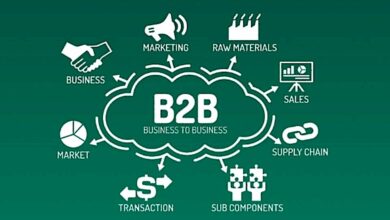
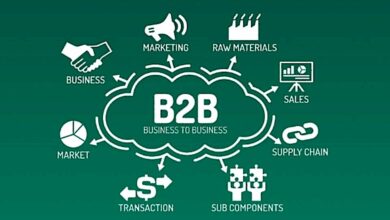
Ever wonder how companies sell to other companies and build massive, sustainable empires? Welcome to the world of B2B business—where relationships, strategy, and long-term value reign supreme.



What Exactly Is a B2B Business?

The term b2b business refers to transactions between businesses, rather than between a business and individual consumers (which is B2C). This model powers industries from manufacturing to software, forming the backbone of global commerce.
Defining B2B: Business-to-Business Explained
In a B2B setup, one company provides products or services to another. For example, a cloud software provider selling CRM tools to a sales agency is a classic B2B transaction. Unlike B2C, where emotions often drive purchases, B2B decisions are typically rational, data-driven, and involve multiple stakeholders.
- B2B focuses on solving business problems, not personal desires.
- Transactions are usually larger in scale and value.
- Sales cycles are longer due to complex decision-making processes.
Common Examples of B2B Business Models
From raw material suppliers to SaaS platforms, B2B spans nearly every industry. A steel manufacturer selling to automakers, a cybersecurity firm offering enterprise protection, or a logistics company handling supply chain operations—all are B2B players.
One of the fastest-growing sectors is B2B SaaS (Software as a Service), where companies like Salesforce and HubSpot dominate by offering scalable digital solutions.
“B2B isn’t just about selling—it’s about solving. The most successful companies don’t push products; they deliver outcomes.” — Marc Benioff, CEO of Salesforce
Key Differences Between B2B and B2C Business
While both models aim to generate revenue, the strategies, customer journeys, and marketing approaches differ significantly in a b2b business environment.
Decision-Making Process: Complexity vs. Emotion
In B2B, purchasing decisions often involve committees, procurement teams, and multiple levels of approval. A single deal might require input from finance, operations, and IT departments. This contrasts sharply with B2C, where a single consumer can make an impulse buy based on emotion or branding.
- B2B: Rational, ROI-focused, committee-driven.
- B2C: Emotional, brand-driven, individual decision.
Sales Cycle Length and Relationship Depth
B2B sales cycles can last weeks, months, or even years. Consider enterprise software deals—prospecting, demos, negotiations, legal reviews, and onboarding can stretch over six months. In contrast, B2C purchases are often immediate.
Because of this, B2B companies invest heavily in nurturing long-term relationships. Trust, reliability, and consistent value delivery are non-negotiable.
7 Core Strategies to Grow Your B2B Business
Scaling a b2b business isn’t about luck—it’s about executing proven strategies with precision. Here are seven powerful approaches that top-performing companies use to dominate their markets.
1. Build a Customer-Centric Value Proposition
Your value proposition is the foundation of your B2B strategy. It answers the critical question: “Why should a business choose you?” A strong proposition clearly communicates how your product or service solves a specific pain point.
- Focus on outcomes, not features (e.g., “Reduce operational costs by 30%” vs. “Advanced analytics dashboard”).
- Align your messaging with the buyer’s business goals.
- Use case studies and ROI calculators to demonstrate tangible value.
For example, Microsoft’s case studies show how enterprises improved efficiency using their tools—making the value undeniable.
2. Master Account-Based Marketing (ABM)
ABM is a strategic approach where marketing and sales teams collaborate to target high-value accounts as if they were individual markets. Instead of casting a wide net, ABM focuses on personalized campaigns for specific companies.
- Identify key decision-makers (e.g., CTO, CFO, procurement heads).
- Create tailored content, ads, and outreach for each account.
- Use intent data to track when prospects are researching solutions.
According to ABM Leadership Forum, companies using ABM report 200% higher sales pipeline efficiency.
3. Invest in Thought Leadership and Content Marketing
In the B2B world, credibility is currency. Publishing insightful content—whitepapers, webinars, industry reports—positions your brand as an authority.
- Address common challenges in your industry.
- Share data-driven insights and original research.
- Repurpose content across blogs, LinkedIn, and email newsletters.
HubSpot, for instance, built a global brand by offering free marketing tools and educational content—proving that generosity fuels growth in b2b business.
4. Optimize Your Sales Funnel with Automation
Manual follow-ups and spreadsheets won’t scale. Top B2B companies use CRM systems (like Salesforce or HubSpot) and marketing automation tools (like Marketo or Pardot) to streamline lead nurturing.
- Automate email sequences based on user behavior.
- Track lead scoring to prioritize hot prospects.
- Integrate sales and marketing data for seamless handoffs.
A study by Gartner found that organizations using marketing automation see a 45% increase in qualified leads.
5. Leverage Data and Analytics for Decision-Making
Guessing doesn’t work in B2B. Successful companies rely on data to understand customer behavior, forecast sales, and optimize campaigns.
- Track KPIs like Customer Acquisition Cost (CAC), Lifetime Value (LTV), and Churn Rate.
- Use predictive analytics to identify at-risk clients.
- Conduct A/B testing on landing pages and email campaigns.
Google Analytics, Mixpanel, and Tableau are just a few tools that empower B2B businesses with actionable insights.
6. Build Strategic Partnerships and Alliances
Partnerships can accelerate growth faster than solo efforts. Whether it’s a technology integration, co-marketing campaign, or reseller agreement, alliances expand your reach and credibility.
- Partner with complementary vendors (e.g., a cybersecurity firm teaming up with a cloud provider).
- Join industry associations to gain visibility.
- Co-host webinars or publish joint research reports.
For example, Slack’s integrations with Google Workspace and Zoom made it indispensable in enterprise environments—fueling its B2B adoption.
7. Focus on Customer Success and Retention
Acquiring a new customer costs 5–7 times more than retaining an existing one. In b2b business, where contracts are often annual or multi-year, customer success is a growth engine.
- Assign dedicated customer success managers.
- Offer onboarding programs and training sessions.
- Proactively identify upsell opportunities.
Companies like Zendesk and Intercom have built entire departments around customer success—resulting in higher renewal rates and organic referrals.
The Role of Technology in Modern B2B Business
Technology isn’t just a tool—it’s a transformational force reshaping how b2b business operates. From AI to cloud platforms, digital innovation is redefining efficiency, scalability, and customer experience.
AI and Machine Learning in B2B Sales
Artificial Intelligence is no longer sci-fi—it’s a daily reality in B2B sales. AI-powered tools can predict which leads are most likely to convert, automate follow-up emails, and even suggest optimal pricing.
- AI chatbots handle initial inquiries 24/7.
- Predictive lead scoring improves sales efficiency.
- Natural language processing analyzes customer sentiment in emails and calls.
Platforms like Gong and Chorus use AI to record and analyze sales calls, helping teams refine their pitch and close more deals.
Cloud Computing and SaaS Dominance
The shift to cloud-based services has revolutionized B2B. SaaS models offer scalability, remote access, and continuous updates—making them ideal for enterprise clients.
- Reduced upfront costs for customers.
- Easier integration with existing systems.
- Faster deployment and onboarding.
According to Statista, the global SaaS market is projected to exceed $230 billion by 2024—proof of its dominance in B2B.
Cybersecurity and Data Privacy in B2B Transactions
With more data being shared between businesses, security is a top concern. A single breach can destroy trust and lead to massive financial and reputational damage.
- Compliance with GDPR, CCPA, and other regulations is mandatory.
- Implement end-to-end encryption for data transfers.
- Conduct regular security audits and penetration testing.
Companies like CrowdStrike and Palo Alto Networks have built billion-dollar b2b business models around protecting enterprise data.
B2B Business Models: Which One Fits Your Company?
Not all b2b business models are the same. Choosing the right one depends on your product, target market, and growth goals.
Manufacturers Selling to Distributors or Retailers
This traditional model involves producing goods and selling them to intermediaries who then sell to end customers. For example, a textile manufacturer supplies fabric to clothing brands.
- High volume, lower margins.
- Relies on supply chain efficiency.
- Long-term contracts are common.
Wholesale and Distribution Networks
Wholesalers buy in bulk from manufacturers and resell to retailers or other businesses. They act as middlemen, adding value through logistics, storage, and regional reach.
- Requires significant inventory investment.
- Profit margins depend on scale and distribution efficiency.
- Strong relationships with both suppliers and buyers are crucial.
Subscription-Based B2B Services (SaaS, PaaS, IaaS)
This model charges customers a recurring fee for access to software or cloud services. It’s predictable, scalable, and ideal for tech-driven b2b business ventures.
- Recurring revenue improves cash flow forecasting.
- Customer retention is key to profitability.
- High customer lifetime value (LTV) potential.
Netflix may be B2C, but its cloud infrastructure runs on AWS—a B2B service from Amazon that powers countless enterprises.
How to Market Your B2B Business Effectively
Marketing in b2b business isn’t about flashy ads—it’s about building trust, demonstrating expertise, and guiding prospects through a complex decision journey.
Content Marketing: The Foundation of B2B Trust
High-quality content educates, engages, and nurtures leads over time. Unlike B2C, where attention spans are short, B2B buyers spend hours researching before making a decision.
- Create in-depth guides, whitepapers, and case studies.
- Optimize content for SEO to attract organic traffic.
- Use gated content to capture leads (e.g., download a report in exchange for an email).
According to Content Marketing Institute, 91% of B2B marketers use content marketing to reach customers.
LinkedIn and Social Selling Strategies
LinkedIn is the #1 social platform for B2B marketing. It’s where decision-makers spend their time, making it ideal for networking, thought leadership, and lead generation.
- Optimize your company page and employee profiles.
- Engage with industry groups and comment on relevant posts.
- Run targeted LinkedIn ads based on job title, industry, and company size.
Social selling—building relationships through social media—has been shown to increase sales by up to 78%, according to LinkedIn’s research.
Email Marketing and Lead Nurturing Campaigns
Email remains one of the most effective B2B marketing channels. When done right, it nurtures leads, educates prospects, and drives conversions.
- Segment your list based on behavior and interests.
- Use personalized subject lines and dynamic content.
- Automate drip campaigns for onboarding, re-engagement, and upselling.
Forrester reports that email delivers $42 for every $1 spent—making it the highest ROI channel in b2b business.
Challenges in B2B Business and How to Overcome Them
No b2b business journey is without obstacles. From long sales cycles to fierce competition, understanding these challenges is the first step to overcoming them.
Long Sales Cycles and Complex Decision-Making
One of the biggest hurdles in B2B is the time it takes to close a deal. With multiple stakeholders and approval layers, prospects can go silent for weeks.
- Solution: Implement a structured sales process with clear milestones.
- Solution: Use CRM tools to track engagement and follow up strategically.
- Solution: Offer pilot programs or free trials to reduce perceived risk.
High Customer Acquisition Costs (CAC)
B2B marketing and sales efforts are expensive. From trade shows to sales teams, the cost to acquire a single customer can run into thousands of dollars.
- Solution: Focus on retention—existing customers are cheaper to serve.
- Solution: Optimize ad spend with precise targeting and A/B testing.
- Solution: Leverage referrals and partner programs to reduce reliance on paid acquisition.
Intense Competition and Market Saturation
Many B2B markets are crowded. Standing out requires more than just a good product—it demands a unique brand, superior service, and relentless innovation.
- Solution: Differentiate through customer experience and support.
- Solution: Focus on niche markets or vertical-specific solutions.
- Solution: Invest in R&D to stay ahead of trends.
Future Trends Shaping the B2B Business Landscape
The b2b business world is evolving fast. To stay competitive, companies must anticipate and adapt to emerging trends.
The Rise of AI-Powered Personalization
Generic messaging is dead. Buyers expect personalized experiences—from tailored content to customized pricing. AI enables hyper-personalization at scale.
- Dynamic website content based on visitor profile.
- Personalized email journeys using behavioral data.
- AI-driven product recommendations in B2B marketplaces.
Companies like Adobe and Salesforce are already integrating AI to deliver smarter, more relevant customer experiences.
Sustainability and Ethical Sourcing in B2B
More businesses are prioritizing sustainability. From eco-friendly packaging to carbon-neutral operations, ethical practices are becoming a competitive advantage.
- Suppliers are audited for environmental and social responsibility.
- Green certifications (e.g., B Corp) boost credibility.
- Sustainable practices reduce long-term costs and risks.
A McKinsey report found that 70% of B2B buyers consider sustainability when choosing suppliers.
Hybrid Sales Models: Digital and Human Touch Combined
The pandemic accelerated digital adoption, but human interaction remains vital in B2B. The future lies in hybrid models—combining digital self-service with expert human support.
- Online demos and virtual onboarding.
- AI chatbots for instant support, with live agents for complex issues.
- Hybrid events (virtual + in-person) for conferences and product launches.
This balance improves efficiency while maintaining the personal touch that B2B buyers value.
What is the difference between B2B and B2C business?
B2B (Business-to-Business) involves companies selling products or services to other businesses, often with longer sales cycles, multiple decision-makers, and a focus on ROI. B2C (Business-to-Consumer) targets individual customers, with shorter decision-making processes and emotionally driven purchases.
How do I start a B2B business?
To start a B2B business, identify a market need, define your value proposition, build a professional network, create a sales and marketing strategy (often involving content and LinkedIn), and establish a scalable delivery model. Legal structure, pricing, and customer support systems are also critical.
What are the most profitable B2B business models?
Some of the most profitable B2B models include SaaS (Software as a Service), consulting and professional services, wholesale distribution, and subscription-based platforms. High-margin, recurring revenue models tend to perform best.
How important is customer retention in B2B?
Extremely important. Retaining a B2B customer is far cheaper than acquiring a new one. Long-term contracts and upsell opportunities make customer success a key driver of profitability and growth.
What role does content marketing play in B2B?
Content marketing is essential in B2B. It builds trust, educates prospects, supports SEO, and nurtures leads through the long sales cycle. Whitepapers, case studies, and webinars are particularly effective.
Mastering the art of b2b business requires a blend of strategy, technology, and relationship-building. From understanding your customer’s pain points to leveraging data and automation, success lies in delivering consistent value. The future belongs to companies that combine innovation with empathy—solving real business problems in scalable, sustainable ways. Whether you’re just starting out or scaling an existing operation, the principles outlined here provide a roadmap for long-term growth and resilience in the dynamic world of B2B.
Further Reading: