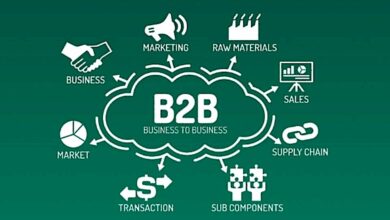
Ever wondered what ‘b2b meaning’ really stands for? It’s more than just business jargon—it’s the backbone of global commerce. Let’s break it down in simple, powerful terms.


Understanding the Core B2B Meaning

The term B2B meaning refers to ‘Business-to-Business’—a model where companies sell products or services to other businesses, not individual consumers. This model dominates industries like manufacturing, software, and wholesale distribution. Unlike B2C (Business-to-Consumer), B2B transactions are typically larger, more complex, and involve longer sales cycles.
How B2B Differs from B2C
While B2C focuses on emotional appeal and quick purchases, B2B decisions are driven by logic, ROI, and long-term value. A consumer might buy a laptop on impulse, but a company purchasing 100 laptops evaluates vendors, support, warranties, and bulk pricing.
- B2B: Rational, relationship-based, high-value deals
- B2C: Emotional, instant gratification, lower transaction value
- B2B buyers often involve multiple stakeholders (e.g., procurement, IT, finance)
Historical Evolution of B2B
The B2B model has existed since trade began, but it evolved significantly with industrialization. In the 20th century, supply chains became more structured. The internet revolutionized B2B in the 1990s, enabling online catalogs, e-procurement, and digital marketplaces like Alibaba.
“B2B is not just a transaction; it’s a relationship built on trust, efficiency, and mutual growth.” — Industry Expert
B2B Meaning in Modern Digital Ecosystems
Today, the b2b meaning extends beyond traditional sales. It includes digital platforms, SaaS (Software as a Service), and automated procurement systems. Companies like Salesforce, SAP, and HubSpot operate primarily on B2B models, offering tools that help other businesses grow.
The Role of Technology in B2B
Technology has transformed how B2B companies interact. CRM systems, AI-driven analytics, and cloud-based collaboration tools streamline communication and decision-making. For example, a manufacturer can now use IoT sensors to monitor equipment performance and automatically reorder parts via a B2B platform.
- CRM platforms enhance customer relationship management
- AI predicts buying behavior and optimizes pricing
- Cloud integration allows real-time data sharing across global teams
E-Commerce and B2B Marketplaces
B2B e-commerce is booming. According to Forrester Research, B2B e-commerce in the U.S. is projected to reach $1.8 trillion by 2025. Platforms like Amazon Business, ThomasNet, and Global Sources connect suppliers with buyers worldwide, reducing friction in procurement.
“Digital B2B marketplaces are reshaping supply chains with speed and transparency.” — Forbes
Key Components of the B2B Meaning Framework
To fully grasp the b2b meaning, it’s essential to understand its core components: target audience, value proposition, sales cycle, and relationship management. These elements define how B2B companies operate and succeed.
Target Audience and Buyer Personas
In B2B, the buyer is often a professional—such as a procurement manager, IT director, or CFO. Creating detailed buyer personas helps tailor marketing and sales strategies. For instance, a cybersecurity firm might target CISOs (Chief Information Security Officers) with content about threat intelligence and compliance.
- Buyer personas include job title, pain points, goals, and decision-making authority
- Content must address specific business challenges
- Personalization increases engagement and conversion rates
Value Proposition and ROI Focus
B2B customers demand clear value. A strong value proposition explains how a product or service solves a business problem, improves efficiency, or reduces costs. For example, a cloud storage provider might emphasize data security, scalability, and cost savings over on-premise servers.
“In B2B, the sale isn’t about the product—it’s about the outcome it delivers.” — Harvard Business Review
B2B Meaning Across Industries
The b2b meaning varies by industry but remains rooted in business collaboration. Let’s explore how different sectors apply B2B principles.
Manufacturing and Supply Chain
In manufacturing, B2B is fundamental. One company produces raw materials, another assembles components, and a third distributes finished goods. For example, a steel manufacturer sells to an automotive company, which then sells cars to dealerships (B2C). The entire production chain relies on B2B relationships.
- Just-in-time (JIT) inventory systems depend on reliable B2B suppliers
- Global sourcing requires strong vendor management
- Quality control and compliance are critical in B2B manufacturing deals
Software and SaaS Companies
SaaS (Software as a Service) is a dominant B2B model. Companies like Zoom, Slack, and Microsoft 365 provide tools that businesses use daily. Pricing is often subscription-based, with tiers for small, medium, and enterprise clients.
These companies focus on onboarding, customer success, and retention. A study by Gartner shows that 80% of SaaS revenue comes from renewals and upsells, highlighting the importance of long-term relationships.
The B2B Sales Cycle: A Deep Dive
Understanding the b2b meaning also means understanding the sales cycle. Unlike B2C, where a purchase can be instant, B2B sales involve multiple stages and stakeholders.
Stages of the B2B Sales Process
The typical B2B sales cycle includes:
- Prospecting: Identifying potential clients through research, referrals, or inbound leads
- Qualification: Assessing if the prospect has budget, authority, need, and timeline (BANT)
- Demonstration: Showing how the product solves specific problems
- Negotiation: Discussing pricing, contracts, and service terms
- Closing: Finalizing the deal and onboarding the client
- Retention: Ensuring customer satisfaction and encouraging renewals
This process can take weeks or months, especially for enterprise-level deals.
Role of Sales Teams and Account Managers
B2B sales teams are highly specialized. Account executives build relationships, while sales engineers provide technical expertise. Customer success managers ensure clients achieve their goals post-purchase. This team-based approach reflects the complexity of B2B transactions.
“The best B2B salespeople don’t sell—they consult.” — Sales Hacker
B2B Marketing Strategies That Work
Marketing in the context of b2b meaning requires a strategic, content-driven approach. Since buyers are professionals seeking solutions, marketing must be informative, credible, and ROI-focused.
Content Marketing and Thought Leadership
B2B companies use whitepapers, case studies, webinars, and blogs to establish authority. For example, a financial software company might publish a whitepaper on ‘How AI is Transforming Accounting Processes’ to attract CFOs and finance teams.
- Content should address pain points and offer actionable insights
- Thought leadership builds trust and differentiates brands
- SEO-optimized content improves visibility in search engines
Digital Advertising and Lead Generation
Paid ads on LinkedIn, Google, and industry-specific platforms target decision-makers. Lead generation forms, gated content, and email campaigns capture prospect information. Marketing automation tools like Marketo and Pardot nurture leads through the funnel.
According to HubSpot, companies that use marketing automation see a 451% increase in qualified leads.
Challenges and Future Trends in B2B
While the b2b meaning is well-established, the landscape is evolving. Companies face challenges like digital transformation, supply chain disruptions, and rising customer expectations.
Common B2B Challenges
Some of the biggest hurdles include:
- Long sales cycles: Delays due to approvals, budget constraints, or vendor comparisons
- Complex decision-making: Multiple stakeholders with conflicting priorities
- Customer retention: High churn rates if value isn’t continuously delivered
- Data security: Especially critical in SaaS and fintech B2B models
Emerging Trends Shaping B2B’s Future
The future of B2B is digital, personalized, and data-driven. Key trends include:
- AI and automation: Chatbots for customer support, predictive analytics for sales forecasting
- Self-service platforms: Buyers prefer researching and purchasing online without sales reps
- Sustainability: B2B buyers increasingly favor eco-friendly suppliers
- Hybrid selling: Combining virtual demos with in-person meetings for enterprise clients
A report by McKinsey found that 70% of B2B buyers now prefer digital self-serve options, signaling a shift in buyer behavior.
B2B Meaning: Global Perspectives and Economic Impact
The b2b meaning isn’t limited to one region—it’s a global phenomenon with massive economic implications. B2B transactions account for the majority of global trade volume.
B2B in Emerging Markets
Countries like India, Brazil, and Indonesia are seeing rapid growth in B2B e-commerce. Local platforms like India’s Udaan and Brazil’s Mercado Livre Empresas are connecting small businesses with suppliers, enabling digital transformation at scale.
- Mobile-first platforms cater to SMEs with limited tech infrastructure
- Government initiatives support digital adoption in B2B sectors
- Logistics improvements are reducing delivery times and costs
Economic Contribution of B2B
B2B commerce drives innovation, employment, and supply chain efficiency. It enables specialization—companies focus on their core competencies and outsource the rest. For example, a smartphone maker doesn’t produce every component; it sources batteries, screens, and chips from specialized B2B suppliers.
“B2B is the invisible engine of the global economy.” — World Economic Forum
B2B Meaning: Real-World Examples and Case Studies
To truly understand the b2b meaning, let’s look at real-world examples of successful B2B companies and strategies.
Case Study: Salesforce – The B2B SaaS Giant
Salesforce revolutionized CRM with its cloud-based B2B model. By offering scalable, subscription-based software, it empowered businesses of all sizes to manage customer relationships efficiently. Its success lies in continuous innovation, a robust partner ecosystem, and a focus on customer success.
- Revenue: Over $30 billion annually
- Customer base: 150,000+ organizations
- Strategy: Invest heavily in R&D and customer education
Case Study: Grainger – Industrial Supply Leader
W.W. Grainger is a leading B2B distributor of maintenance, repair, and operations (MRO) products. With a vast catalog and efficient logistics, it serves industries from manufacturing to healthcare. Its digital transformation—launching an intuitive e-commerce platform—boosted online sales to over 60% of total revenue.
Source: Grainger Corporate Site
What is the basic b2b meaning?
The basic b2b meaning refers to business transactions between two companies, where one company provides products or services to another. It’s the foundation of supply chains and corporate operations.
How does b2b meaning differ from b2c?
While b2b meaning focuses on business clients with rational, long-term decisions, B2C targets individual consumers with emotional, quick-purchase behavior. B2B sales involve more stakeholders and higher transaction values.
What are common examples of b2b meaning in action?
Examples include a software company selling CRM tools to enterprises, a textile manufacturer supplying fabric to a clothing brand, or a logistics firm providing shipping services to retailers.
Why is understanding b2b meaning important for entrepreneurs?
Understanding b2b meaning helps entrepreneurs identify market opportunities, build strategic partnerships, and design effective sales and marketing strategies for business clients.
How is technology changing the b2b meaning landscape?
Technology is making B2B interactions faster, more transparent, and data-driven. AI, e-commerce platforms, and automation are redefining how businesses buy and sell, emphasizing self-service and digital engagement.
Understanding the b2b meaning is essential for anyone involved in modern business. It’s not just about selling from one company to another—it’s about building relationships, delivering value, and driving economic growth. From manufacturing to SaaS, B2B underpins global commerce. As digital transformation accelerates, the lines between B2B and B2C are blurring, but the core principles of trust, efficiency, and ROI remain unchanged. Whether you’re a startup founder, marketer, or sales professional, mastering the B2B model can unlock powerful opportunities for growth and innovation.
Further Reading: