If you’re eyeing a dynamic, high-reward career, b2b sales jobs offer unmatched growth, income potential, and strategic challenges. This guide dives deep into what makes these roles so powerful and how to thrive in them.
What Are B2B Sales Jobs and Why They Matter

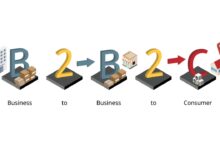
B2B (business-to-business) sales jobs involve selling products or services from one company to another. Unlike B2C (business-to-consumer), where transactions are often quick and emotion-driven, B2B sales are longer, more complex, and rooted in logic, ROI, and long-term value. These roles are the backbone of industries ranging from software and manufacturing to logistics and consulting.
The Core Definition of B2B Sales
At its heart, a B2B sales job is about building relationships between businesses. A sales professional doesn’t just sell a product—they sell solutions. For example, a CRM software provider doesn’t just pitch a tool; they demonstrate how it can streamline sales pipelines, improve customer retention, and boost revenue across departments.
According to Salesforce’s State of Sales Report, 74% of high-performing sales teams prioritize understanding customer needs before proposing solutions—highlighting the consultative nature of modern b2b sales jobs.
How B2B Differs from B2C Sales
The fundamental difference lies in the buyer. In B2C, the customer is an individual making personal decisions. In B2B, the buyer is often a committee—comprising procurement officers, technical evaluators, and C-suite executives—each with different priorities.
- Decision-making process: B2B sales cycles can last weeks or months; B2C decisions are often immediate.
- Volume and value: B2B deals are typically larger in value and volume.
- Relationship depth: B2B requires ongoing account management and strategic alignment.
“In B2B sales, you’re not just selling a product—you’re selling trust, expertise, and long-term partnership.” — HubSpot Sales Blog
Top 5 Industries Hiring for B2B Sales Jobs
Not all b2b sales jobs are created equal. Certain industries offer higher demand, better compensation, and more growth opportunities. Let’s explore the top five sectors actively recruiting B2B sales professionals.
1. Technology and SaaS
The tech sector, especially Software-as-a-Service (SaaS), is a goldmine for b2b sales jobs. Companies like Salesforce, HubSpot, and ZoomInfo hire thousands of sales reps annually to sell cloud-based tools for marketing, sales automation, and data intelligence.
SaaS sales roles often follow a land-and-expand model: acquire a client with a basic package, then upsell premium features over time. This creates recurring revenue and long-term client relationships.
A report by Gartner predicts that global public cloud spending will hit $678.8 billion in 2024, fueling demand for skilled B2B tech salespeople.
2. Industrial and Manufacturing
From machinery to raw materials, industrial companies rely on B2B sales reps to connect with construction firms, automotive manufacturers, and energy providers. These roles often require technical knowledge and the ability to explain complex specifications.
For example, a sales rep at Siemens might sell industrial automation systems to a factory looking to increase efficiency. The sales cycle here is long, involving site visits, technical demos, and compliance checks.
- Key skills: Technical fluency, negotiation, supply chain understanding.
- Compensation: Often includes base salary plus commission and bonuses for large contracts.
3. Healthcare and MedTech
B2B sales in healthcare involve selling medical devices, diagnostic equipment, or pharmaceutical supplies to hospitals, clinics, and research labs. These roles require compliance knowledge (e.g., FDA regulations) and the ability to communicate value to medical professionals.
MedTech sales reps at companies like Medtronic or Johnson & Johnson must build trust with doctors and procurement teams, often using clinical data to prove product efficacy.
“Selling in healthcare isn’t about features—it’s about patient outcomes and cost savings.” — MedTech Dive
Essential Skills for Success in B2B Sales Jobs
While charisma helps, long-term success in b2b sales jobs depends on a mix of hard and soft skills. Let’s break down the most critical competencies.
Consultative Selling Techniques
Modern B2B buyers don’t want to be “sold to.” They want advisors. Consultative selling means asking the right questions, listening actively, and tailoring solutions to specific business challenges.
For instance, instead of saying, “Our software is fast,” a consultative rep asks, “What’s slowing down your team’s reporting process?” Then, they position their tool as the answer.
According to LinkedIn’s Sales Solutions, 78% of buyers prefer vendors who act as trusted advisors rather than product pushers.
CRM and Sales Tech Proficiency
B2B sales reps must master tools like Salesforce, HubSpot, and Outreach.io. These platforms track leads, automate follow-ups, and provide analytics on deal progress.
Reps who leverage CRM data effectively can identify buying signals, personalize outreach, and forecast revenue more accurately. A study by Nucleus Research found that CRM systems deliver $8.71 for every $1 spent—proving their value in b2b sales jobs.
- Top tools: Salesforce, Microsoft Dynamics, Pipedrive, Gong (for call analytics).
- Key features to master: Lead scoring, pipeline management, email sequencing.
Types of B2B Sales Roles and Career Paths
B2B sales isn’t a one-size-fits-all career. There are multiple roles, each with unique responsibilities and growth trajectories. Understanding these can help you choose the right path.
Account Executive (AE)
The Account Executive is the frontline seller in most b2b sales jobs. AEs own the sales cycle from prospecting to closing. They qualify leads, conduct demos, negotiate contracts, and onboard new clients.
In SaaS companies, AEs often specialize in new business (hunting) or existing accounts (farming). Hunter AEs focus on acquiring new logos, while farmer AEs grow revenue from current customers.
According to Levels.fyi, the average base salary for an AE in the U.S. is $75,000, with on-target earnings (OTE) reaching $150,000+ in high-growth tech firms.
Sales Development Representative (SDR)
SDRs are the engine of the sales pipeline. They don’t close deals but generate qualified leads for AEs. Their job includes cold calling, email outreach, and social selling on LinkedIn.
Many SDRs use tools like Apollo.io or ZoomInfo to find decision-makers and personalize outreach. It’s a high-volume, metrics-driven role with clear KPIs: calls made, meetings booked, conversion rates.
SDR roles are often entry-level but serve as a fast track to AE positions. Top performers can advance within 12–18 months.
“The best SDRs don’t just dial—they research, personalize, and add value in every touchpoint.” — Sales Hacker
How to Land a B2B Sales Job: Proven Strategies
Breaking into b2b sales jobs requires more than a polished resume. You need a strategic approach that showcases your ability to drive revenue.
Optimize Your LinkedIn Profile
LinkedIn is the #1 platform for B2B sales professionals. Recruiters and hiring managers use it to source talent. Your profile should highlight quantifiable achievements, not just responsibilities.
Instead of “Responsible for sales calls,” say “Generated $250K in new revenue through outbound prospecting.” Use keywords like “b2b sales,” “lead generation,” and “sales pipeline” to improve search visibility.
Include a professional photo, a compelling headline (e.g., “B2B Sales Specialist | Helping SaaS Companies Scale Revenue”), and recommendations from colleagues or managers.
Master the Sales Interview Process
B2B sales interviews often include role-plays, case studies, and whiteboard exercises. You might be asked to “sell” a product to the interviewer or explain how you’d handle a stalled deal.
- Prepare a 30-60-90 day plan showing how you’d ramp up in the role.
- Practice the “STAR” method (Situation, Task, Action, Result) for behavioral questions.
- Research the company’s buyers, competitors, and sales model.
Companies like Gong and Outreach.io provide free resources to help candidates prepare for sales interviews.
Compensation and Earning Potential in B2B Sales Jobs
One of the biggest draws of b2b sales jobs is the earning potential. Unlike fixed-salary roles, B2B sales often offer uncapped commissions and bonuses.
Understanding OTE (On-Target Earnings)
OTE is the total compensation a sales rep can earn if they meet 100% of their quota. It includes base salary + commission or bonus. For example, a job posting might list $60K base + $60K commission = $120K OTE.
However, OTE isn’t guaranteed. It depends on performance. Some reps exceed quota and earn 150%+ of OTE, while others fall short.
A RepVue salary report found that top-performing AEs in enterprise SaaS roles earn over $200K annually, with some hitting $300K+.
Commission Structures Explained
Common commission models in b2b sales jobs include:
- Percent of deal value: 5–15% of the contract amount.
- Residual commissions: Ongoing payouts for subscription renewals.
- Accelerators: Higher commission rates for exceeding quota (e.g., 10% up to quota, 15% beyond).
Always ask for clarity on payout timing, clawback policies, and how quotas are set.
“In B2B sales, your income is directly tied to your effort and skill—there’s no ceiling.” — The Sales Development Playbook
Future Trends Shaping B2B Sales Jobs
The world of b2b sales jobs is evolving rapidly. Technology, buyer behavior, and market dynamics are reshaping what it means to be a sales professional.
The Rise of AI and Automation
Artificial intelligence is transforming how sales teams operate. AI-powered tools can predict which leads are most likely to convert, draft personalized emails, and analyze call transcripts for coaching insights.
For example, Gong uses AI to identify winning sales patterns, while ChatGPT helps reps craft outreach messages. However, AI won’t replace salespeople—it will empower them to focus on high-value activities like relationship-building and strategy.
According to a McKinsey report, companies using AI in sales see a 10–15% increase in revenue.
Remote Selling and Virtual Deal Rooms
Post-pandemic, remote selling is the norm. B2B buyers expect seamless digital experiences—from virtual product demos to e-signatures and online negotiations.
Sales reps now use platforms like Demostack, Showpad, and DocuSign to create immersive, interactive presentations. The ability to sell effectively without face-to-face meetings is now a core skill in b2b sales jobs.
- Best practices: Use video consistently, personalize digital content, follow up with automated sequences.
- Tools to master: Zoom, Loom, Calendly, and CRM-integrated sales engagement platforms.
Challenges and How to Overcome Them in B2B Sales
B2B sales isn’t all commission checks and closed deals. It comes with significant challenges that test resilience and adaptability.
Long Sales Cycles and Rejection
B2B deals can take 3–6 months or longer to close. During this time, prospects may go silent, budgets may shift, or competitors may undercut your offer.
To combat this, top reps use consistent follow-up sequences, provide value at every touchpoint (e.g., sharing industry insights), and build relationships with multiple stakeholders in the target company.
Rejection is inevitable. The key is to view each “no” as a step closer to a “yes.” Sales veterans often quote the rule: “It takes 8 touches to get a response—don’t give up at 7.”
Quota Pressure and Burnout
Monthly, quarterly, and annual quotas create constant pressure. Missing quota can affect income, morale, and job security.
To avoid burnout, successful reps:
- Prioritize time management using tools like time-blocking.
- Seek mentorship and coaching from managers.
- Maintain work-life balance through exercise, hobbies, and mental health practices.
“The most sustainable salespeople aren’t the loudest—they’re the most resilient.” — The Hard Thing About Hard Things by Ben Horowitz
What are the most in-demand b2b sales jobs today?
The most in-demand b2b sales jobs are in SaaS, fintech, and cybersecurity. Roles like Account Executive, Sales Development Representative, and Customer Success Manager are consistently hiring. Remote-friendly positions are especially sought after.
Do b2b sales jobs require a degree?
While some companies prefer a bachelor’s degree, many prioritize skills and performance over formal education. Proven sales ability, communication skills, and industry knowledge often matter more than a diploma.
How can I transition into b2b sales jobs from another field?
Start by gaining relevant skills through online courses (e.g., Coursera’s Sales Training), building a LinkedIn presence, and applying for entry-level roles like SDR or inside sales. Networking and informational interviews can also open doors.
Are b2b sales jobs commission-only?
Some entry-level or startup roles may be commission-only, but most established companies offer a base salary plus commission. Always review the compensation plan carefully before accepting an offer.
What’s the average salary for b2b sales jobs?
The average base salary ranges from $50K–$80K, with OTE (on-target earnings) between $80K–$150K. Top performers in enterprise sales can earn $200K+ annually.
B2B sales jobs are more than just a career—they’re a launchpad for financial growth, professional development, and strategic influence. From understanding the core mechanics of B2B selling to mastering the latest tools and trends, this guide has equipped you with the insights needed to succeed. Whether you’re just starting out or aiming for the next level, the world of b2B sales offers endless opportunities for those ready to hustle, learn, and deliver value.
Further Reading:
